
Noor Safi Group Building Value Across Borders

Noor Safi Group

Building Value Across Borders

Latest Articles

Redrawing the Map: How Geopolitical Realignment Is Compelling US Manufacturers to Rebuild Their Supply Networks From the Ground Up
International Business Strategy

Redrawing the Map: How Geopolitical Realignment Is Compelling US Manufacturers to Rebuild Their Supply Networks From the Ground Up

The global manufacturing map that American companies relied upon for three decades is being redrawn at speed. Shifting geopolitical alliances, the rise of strategic trade blocs, and aggressive nearshoring incentives are forcing US manufacturers to fundamentally reassess where they source, produce, and store goods. The companies that approach this realignment with analytical rigor and strategic foresight will define the next era of American industrial competitiveness.

The Settlement Gap: How Delayed Cross-Border Payments Are Quietly Eroding the Competitive Edge of American Mid-Market Exporters
Global Trade & Supply Chain

The Settlement Gap: How Delayed Cross-Border Payments Are Quietly Eroding the Competitive Edge of American Mid-Market Exporters

For mid-market American exporters, the true cost of doing business internationally is rarely captured on an invoice. Settlement delays and intermediary friction in cross-border transactions are silently compressing margins, straining supplier relationships, and ceding market position to faster-moving competitors. Understanding the mechanics of this hidden liability — and the emerging tools available to close the gap — has become a strategic imperative.

Regulation as a Weapon: How Forward-Thinking US Companies Are Converting Trade Compliance Into Market Advantage
International Business Strategy

Regulation as a Weapon: How Forward-Thinking US Companies Are Converting Trade Compliance Into Market Advantage

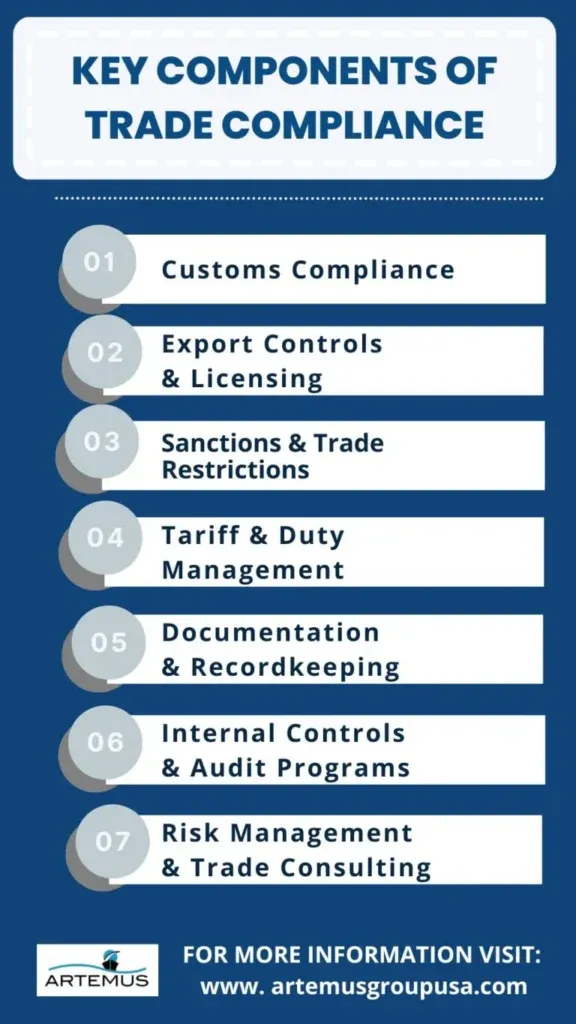
Most US companies treat trade compliance as a cost center—a necessary burden managed by legal teams and customs brokers. A growing cohort of market leaders, however, has discovered that proactive regulatory strategy generates measurable cost savings, faster market access, and durable competitive separation. The difference lies not in what companies know about regulation, but in how they choose to use that knowledge.

When Payment Terms Become a Liability: The Working Capital Crisis Quietly Draining US Mid-Market Exporters
Global Trade & Supply Chain

When Payment Terms Become a Liability: The Working Capital Crisis Quietly Draining US Mid-Market Exporters

For mid-market US companies engaged in cross-border trade, extended payment cycles are not merely an inconvenience—they represent a structural drain on working capital that can quietly erode profitability and constrain growth. This article quantifies the true cost of international payment delays and offers concrete strategies for reclaiming cash flow without sacrificing commercial relationships.

Bridging Worlds: How Strategic Joint Ventures Are Redefining Cross-Border Growth for US Companies
International Business Strategy

Bridging Worlds: How Strategic Joint Ventures Are Redefining Cross-Border Growth for US Companies

The most effective international expansions are rarely accomplished alone. A new generation of US companies is discovering that pairing global capital with genuine local expertise — through carefully structured joint ventures — unlocks market access, regulatory navigation, and capital efficiency that neither party could achieve independently. The architecture of these partnerships, however, determines whether they become lasting competitive assets or expensive cautionary tales.

The Fragmentation Penalty: What Disconnected Supply Chains Are Really Costing American Businesses
Global Trade & Supply Chain

The Fragmentation Penalty: What Disconnected Supply Chains Are Really Costing American Businesses

For many US companies operating across multiple geographies, the true cost of fragmented supply chain infrastructure remains invisible until it becomes catastrophic. Redundant processes, compliance failures, and missed optimization windows collectively drain millions from bottom lines each year. Understanding how integrated supply chain management reverses this dynamic is no longer optional — it is a strategic imperative.

Holding the Line on Margins: How American Exporters Can Manage Currency Risk Without Sacrificing Global Reach
International Business Strategy

Holding the Line on Margins: How American Exporters Can Manage Currency Risk Without Sacrificing Global Reach

Currency volatility remains one of the most underestimated threats to US companies operating in international markets, capable of eroding carefully constructed profit margins in a matter of weeks. This analysis examines the financial instruments, pricing architectures, and contractual safeguards that experienced exporters use to protect their bottom lines—without retreating from the markets that offer the greatest growth potential. The goal is not to eliminate foreign exchange risk, but to manag

From Periphery to Powerhouse: How US Firms Are Turning Emerging Markets Into Strategic Logistics Anchors
Global Trade & Supply Chain

From Periphery to Powerhouse: How US Firms Are Turning Emerging Markets Into Strategic Logistics Anchors

A growing number of American manufacturers and logistics operators are repositioning their supply chains by establishing regional hubs in developing economies—not merely to cut costs, but to gain lasting competitive advantages. This analysis examines the strategic rationale behind these moves, profiles successful placements, and offers a practical framework for US companies considering a similar transformation. For organizations navigating this shift, cross-border expertise has never been more v

Reimagining the American Factory Floor: How Global Partnerships Are Driving a Manufacturing Renaissance
Global Trade & Supply Chain

Reimagining the American Factory Floor: How Global Partnerships Are Driving a Manufacturing Renaissance

US manufacturers are no longer viewing international supply chains as a vulnerability—they are engineering them into a source of competitive strength. From tariff navigation to dual-sourcing strategies, a new generation of American industrial companies is proving that cross-border operations, when structured intelligently, can deliver both cost efficiency and long-term resilience.

Five Costly Blind Spots That Can Derail a US Company's International Expansion
International Business Strategy

Five Costly Blind Spots That Can Derail a US Company's International Expansion

International expansion promises access to new markets, diversified revenue streams, and long-term growth—but the path is riddled with risks that even experienced executives routinely underestimate. This piece examines five critical vulnerabilities that US companies frequently overlook when crossing borders, and the practical measures that can prevent costly setbacks before they occur.